Mental Health and Performing Students: Understanding the Pressures Behind the Spotlight
The performing arts are often associated with creativity, passion, and self-expression. Students studying acting, dance, music, or musical theatre develop powerful skills in communication, discipline, and emotional awareness.
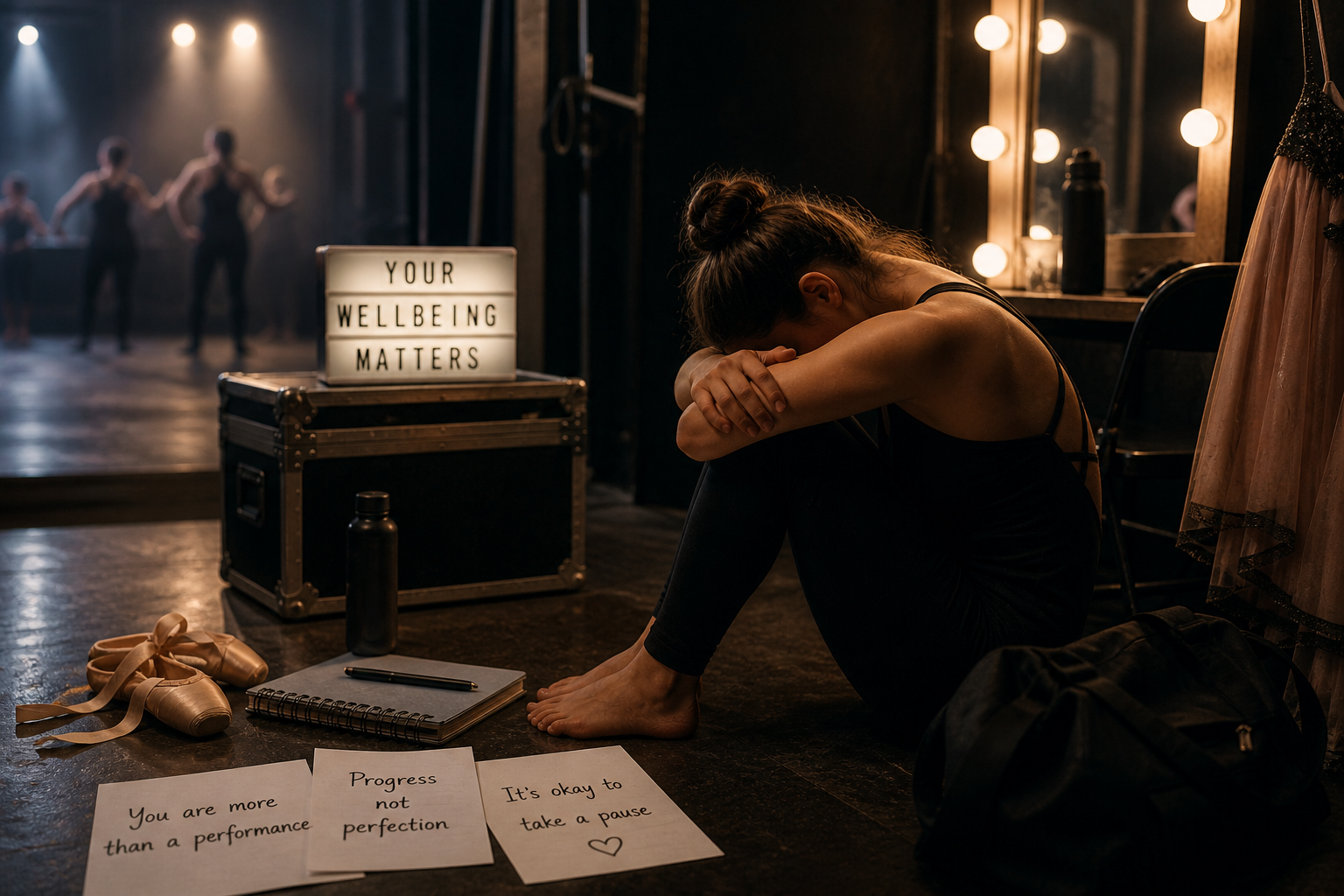
However, behind the energy of rehearsals and performances lies a reality that is increasingly recognised — performing students often face significant psychological pressure.
Research continues to show higher levels of anxiety, stress, and depression among performers compared to the general population. The emotional demands of creative training, combined with competition and constant evaluation, can place unique strain on mental wellbeing.
Understanding these pressures — and ensuring access to appropriate support — is essential for protecting both the individual and their long-term development.
The Unique Demands of Performing Arts Training
Performing arts education differs from many other academic paths. Rather than being assessed through written work alone, students are often evaluated on deeply personal aspects of themselves — including their voice, body, creativity, and emotional expression.This environment often includes:
- Auditions and casting decisions
- Public performances and critique
- High levels of competition
- Long rehearsal hours and physical demands
- Emotional vulnerability within performances
Because feedback is directed at performance, it can feel deeply personal. Over time, this can create a sense of constant scrutiny, increasing pressure and self-doubt.
Mental Health in Performing Students: What the Research Shows
Recent studies highlight concerning trends across the performing arts sector:
- Performing artists are twice as likely to experience depression compared to the general population
- Around 50% of acting and musical theatre students report symptoms of anxiety or depression
- Performance-related anxiety is particularly high in disciplines such as dance, acting, and music
In comparison, general UK data suggests a much lower baseline for anxiety at any given time.These figures highlight the importance of recognising mental health challenges early — not only when they become overwhelming.
Performance Anxiety and Stage Fright
One of the most common challenges for performing students is performance anxiety (often known as stage fright).While some level of nervousness can enhance performance, intense anxiety can have the opposite effect.Common symptoms include:
- Racing heart or shaking
- Nausea or dizziness
- Intrusive or negative thoughts
- Fear of failure or judgement
- Avoidance of performances
For some, anxiety can begin long before stepping on stage. Repeated exposure to high-pressure situations without support can lead to chronic stress or burnout.
Why Performing Students Are More Vulnerable
Several factors contribute to the increased mental health risks within performing arts training:
Identity and Self-Worth
Performance is often closely tied to personal identity. Feedback may feel like a judgement of the individual, not just their work.
Competition and Comparison
Limited roles and opportunities can create ongoing comparison with peers, increasing pressure and perfectionism.
Emotional Exposure
Performers are often encouraged to access personal emotions to create authentic work. Without boundaries, this can feel overwhelming.
Career Uncertainty
The performing arts industry is often unpredictable, with financial and career instability adding additional stress.
Challenging the “Tortured Artist” Myth
For many years, there has been a belief that emotional struggle is necessary for creativity. However, modern research challenges this idea.Creativity does not depend on suffering.In fact, performers who feel safe, supported, and emotionally stable are often more able to take creative risks and produce meaningful work.
The Positive Role of the Arts in Wellbeing
Despite these challenges, the arts can also have a powerful positive impact on mental health.Engaging in creative work can:
- Support emotional expression
- Build confidence
- Strengthen connections with others
- Reduce isolation
- Create a sense of purpose
The key is ensuring that training environments support wellbeing alongside performance.
Supporting the Mental Health of Performing Students
There is growing recognition of the need to better support students within performing arts education.
Mental Health Awareness and Education
Providing tools for managing stress, anxiety, and emotional regulation helps students build resilience.
Trauma-Informed Training
Some institutions are adopting safer approaches, including:
- Clear emotional boundaries
- Consent-based rehearsal processes
- Reflection after intense work
Counselling Support for Performing Students in Essex
For students in Essex, services such as Inner Journey Counselling provide specialist support for individuals within creative education. Based in Basildon, Inner Journey offers integrative counselling tailored to individual needs, helping students navigate challenges such as:
- Performance anxiety
- Stress from auditions and assessments
- Confidence and identity concerns
- Emotional demands of creative work
Through counselling, students can build resilience, improve self-awareness, and develop strategies to support both their wellbeing and their creative development.
Creating Healthier Creative Environments
The performing arts have the power to inspire and connect people — but the wellbeing of performers must remain a priority.By combining:
- supportive training environments
- open conversations about mental health
- access to professional support
we can create spaces where students thrive both emotionally and artistically.
Final Thoughts
Performing students operate within demanding and emotionally intense environments. While these experiences can support growth and creativity, they can also increase vulnerability to anxiety, stress, and depression.
At the same time, the arts remain a powerful source of expression, connection, and meaning.
By prioritising mental health and ensuring access to support, we can help performing students succeed — not through pressure and burnout, but through confidence, resilience, and understanding.
Behind every performance is a person.
Supporting their wellbeing ensures that creativity can truly flourish.